Robotic surgery is redefining the boundaries in the world of surgical techniques, melding advanced computer technology with the detailed art of surgical operations. Instead of only depending on a surgeon's hands-on expertise, it leverages the precision of robotic mechanisms. This technique provides surgeons with a crystal-clear 3D perspective of the operation area. Its standout feature is the capacity to use much smaller incisions compared to conventional surgery. Such an advantage speeds up patient healing and minimizes post-surgery discomfort, positioning it as a top choice for complex surgeries.
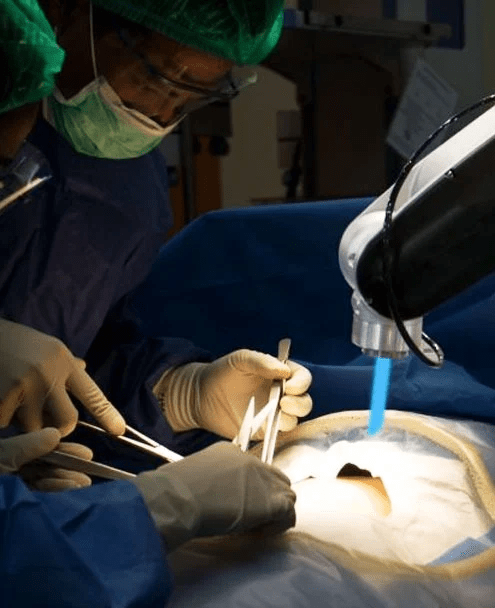
Even though it's called robotic surgery, it doesn't imply robots taking over the role of surgeons. Rather, it's an advanced tool that bolsters the skills of the surgeon. As the surgery unfolds, the surgeon operates from a dedicated console, accessing an enlarged view of the operative site. They maneuver the robot with pinpoint accuracy. The robot's arms mimic the surgeon's gestures, enhancing the stability and reach of their actions. The in-built endoscopic camera offers a clear and detailed look at the surgical site, which plays a pivotal role in the surgeon's decisions.
Robotic surgery isn't limited to a singular medical field. Its versatility and effectiveness have driven its adoption in numerous medical areas. For example, in urological practices, robots often play a role in surgeries like prostatectomies. Gynecological specialists opt for it in detailed procedures like hysterectomies, appreciating the exactitude it offers. Cardiologists are also tapping into the benefits of robotic surgery, especially for complex cardiac procedures with little margin for mistakes. In the same vein, orthopedic experts deem the technology crucial, notably for surgeries needing high precision, like joint replacements and spinal operations.
The advancement curve of robotic surgery signals a hopeful phase for the realm of surgical interventions. As technological leaps persist, surgical robots are set to achieve greater sophistication, bolstering their reliability and accuracy. A transformation to monitor is the proposed melding of robotic surgical methods with AI. This merger could introduce live analytical assessments during surgeries, aiding surgeons in making better-informed decisions. As the technique becomes a staple, the costs linked with robotic surgeries are anticipated to become more patient-friendly. Training frameworks will pivot, offering upcoming surgeons a specialized focus on robotic procedures. An extraordinary facet of robotic surgery lies in its power to negate geographical hindrances, envisioning a world where surgeons, using robotic interfaces, can cater to patients from any locale, democratizing access to world-class surgical expertise.
Medical Arts Surgical Group Robotic Surgery